
ByJohn A
Roof Repairs and Community Bonds: Building a Safer Tomorrow Together
Regular roof maintenance reduces costly damage and keeps homes safe. Roof Repairs often start as small fixes—replacing a few missing shingles, cleaning gutters, or sealing minor leaks—but when left unattended they grow into structural problems, mold, and water damage. Homeowners who schedule seasonal inspections and address issues early protect their property value and avoid emergency repairs that strain personal budgets and local resources.
Spotting Early Warning Signs
Recognizing early signs prevents emergencies. Look for cracked or curling shingles, dark streaks, sagging areas, and interior water stains on ceilings or attic walls. Roof Repairs done promptly after spotting these clues are more affordable and less disruptive. A quick roof check after heavy storms or strong winds can catch loosened materials before they cause interior damage.
Simple DIY Tasks to Start With
Some maintenance tasks are safe and practical for homeowners. Clearing debris from the roof, keeping gutters and downspouts free-flowing, and trimming overhanging branches reduce wear and prevent clogged drainage that leads to leaks. Applying roof-safe sealants around vents and chimneys or replacing broken flashing can be handled by confident DIYers; for anything beyond basic tasks, arrange professional Roof Repairs to ensure warranty and safety.
When to Call Professionals
Complex problems, steep roofs, or structural concerns require licensed roofers. Professionals provide thorough inspections, accurate diagnoses, and durable Roof Repairs such as replacing underlayment, re-roofing sections, or restoring flashing. Hiring a reputable contractor with insurance and good references reduces the risk of poor workmanship and ensures compliance with local building codes.
Costs, Budgeting, and Preventive Savings
Emergency repairs are more expensive than planned maintenance. Create a home maintenance budget that includes a roof inspection each year and a contingency fund for Roof Repairs. Small periodic expenses—cleaning, minor patching—save money by avoiding complete roof replacement. For communities with limited funds, organizing pooled resources or cooperative purchasing of materials can lower costs for multiple households.
Community-Wide Preparedness
A resilient neighborhood starts with shared responsibility. Communities that coordinate roof inspections after storms or organize group maintenance days reduce the number of urgent calls to emergency services. Local councils or homeowners’ associations can maintain lists of vetted contractors and schedule bulk services. When many roofs are well maintained, whole streets are safer from hazards like collapsing gutters or water-damaged electrical systems.
Mutual Aid and Skill Sharing
Skill-sharing strengthens resilience. Workshops where experienced tradespeople teach basic roof upkeep empower residents to perform safe maintenance and identify issues needing professional Roof Repairs. Volunteer teams can help elderly or low-income neighbors with light tasks—clearing gutters, securing loose shingles—creating practical support while building social ties.
Safety Practices During Repairs
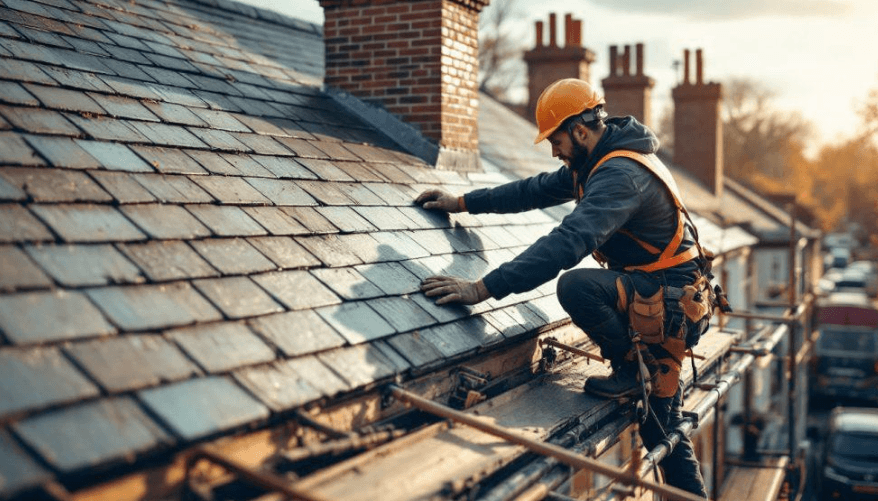
Safety prevents accidents. Use proper ladders, fall protection, and weather-appropriate schedules; avoid roof work during rain or high winds. For DIYers, stay off roofs steeper than you can comfortably walk and never attempt heavy installations alone. When hiring for Roof Repairs, confirm contractor safety practices and insurance coverage to protect both workers and homeowners.
Environmental and Long-Term Benefits
Well-maintained roofs improve energy efficiency and reduce waste. Replacing damaged areas and sealing leaks preserve insulation performance, lowering heating and cooling costs. Choosing durable, recyclable materials for Roof Repairs reduces landfill burden and supports sustainable community goals. Collective efforts toward sustainable roofing practices contribute to long-term neighborhood well-being.
See also: How Businesses Migrate to the Cloud
Creating Local Action Plans
A simple neighborhood action plan clarifies responsibilities and accelerates response after damaging weather. Steps include creating a contact list of volunteers and contractors, scheduling annual inspection weeks, and establishing an emergency fund for urgent Roof Repairs. Clear communication channels—group chats, notice boards, or community meetings—help neighbors coordinate quickly and effectively.
Stories of Community Impact
Real-life examples illustrate change. Neighborhoods that formed roof-maintenance volunteer groups reported fewer emergency repairs and faster recovery after storms. Shared Roof Repairs and pooled purchases lowered costs and strengthened trust among residents. These successes show that combining practical maintenance with neighborly cooperation produces safer, more connected communities.
Conclusion
Roof Repairs are more than technical tasks; they are opportunities to build safer, more resilient neighborhoods. Regular maintenance, timely professional work, shared skills, and coordinated community plans reduce costs, prevent emergencies, and deepen social bonds. When neighbors work together—helping with inspections, sharing resources, and supporting vulnerable households—they create a safer tomorrow where roofs protect homes and communities reinforce each other.
